
U.S. CBP Proposes 5-Year Social Media Scrutiny for Visa-Waiver Tourists
Credit:
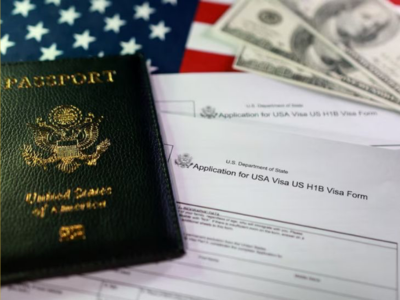
U.S. Customs and Border Protection (CBP) has unveiled a sweeping proposal that would require travelers from 42 visa-waiver nations—including the UK, Germany, France, Japan, and Australia—to disclose five years of social media history, past phone numbers, decade-old emails, and family details as part of their Electronic System for Travel Authorization (ESTA) applications.
Published in the Federal Register, the plan stems from President Donald Trump’s Executive Order 14161 on countering foreign terrorist and public safety threats. It would add “high-value data fields” such as biometrics—selfies, fingerprints, iris scans, and even DNA samples—alongside social media identifiers, with CBP arguing the measures strengthen identity verification and threat detection. Officials cited a recent D.C. shooting by an Afghan national as justification.
The ESTA, a $40 online pre-approval for visa-free entry, currently requires only basic passport and travel information. Under the proposal, all new applicants from allied nations like Canada, South Korea, and New Zealand would face expanded scrutiny. Critics warn the changes could deter millions of visitors at a time when U.S. tourism is already slumping, with the World Travel & Tourism Council projecting a 2 percent drop in visitor spending in 2026.
Civil liberties groups condemned the plan. The Electronic Frontier Foundation called it “mass surveillance disguised as security,” warning of chilled speech and errors from incomplete data. Travel industry coalitions, including Airlines for America, fear fallout ahead of the 2026 World Cup, with one official cautioning that families and business travelers may be scared off.
Supporters, including Trump allies, frame the proposal as a necessary evolution of post-9/11 security, noting similar requirements already apply to H-1B and H-4 visa holders. DHS spokesperson Tricia McLaughlin defended the plan: “Vetting saves lives—nothing changes for compliant travelers.” Yet experts like Georgetown’s Laura Moy warn it risks bias, echoing concerns from past CBP phone searches that disproportionately affected Muslims.
With 15 million ESTA applications processed annually, the proposal tests Trump’s immigration pivot: robust borders and enhanced vetting versus the economic and diplomatic costs of deterring visitors from key allies. A 60-day public comment period is now open, inviting feedback on feasibility and scope.











0 Comment(s)